What happened
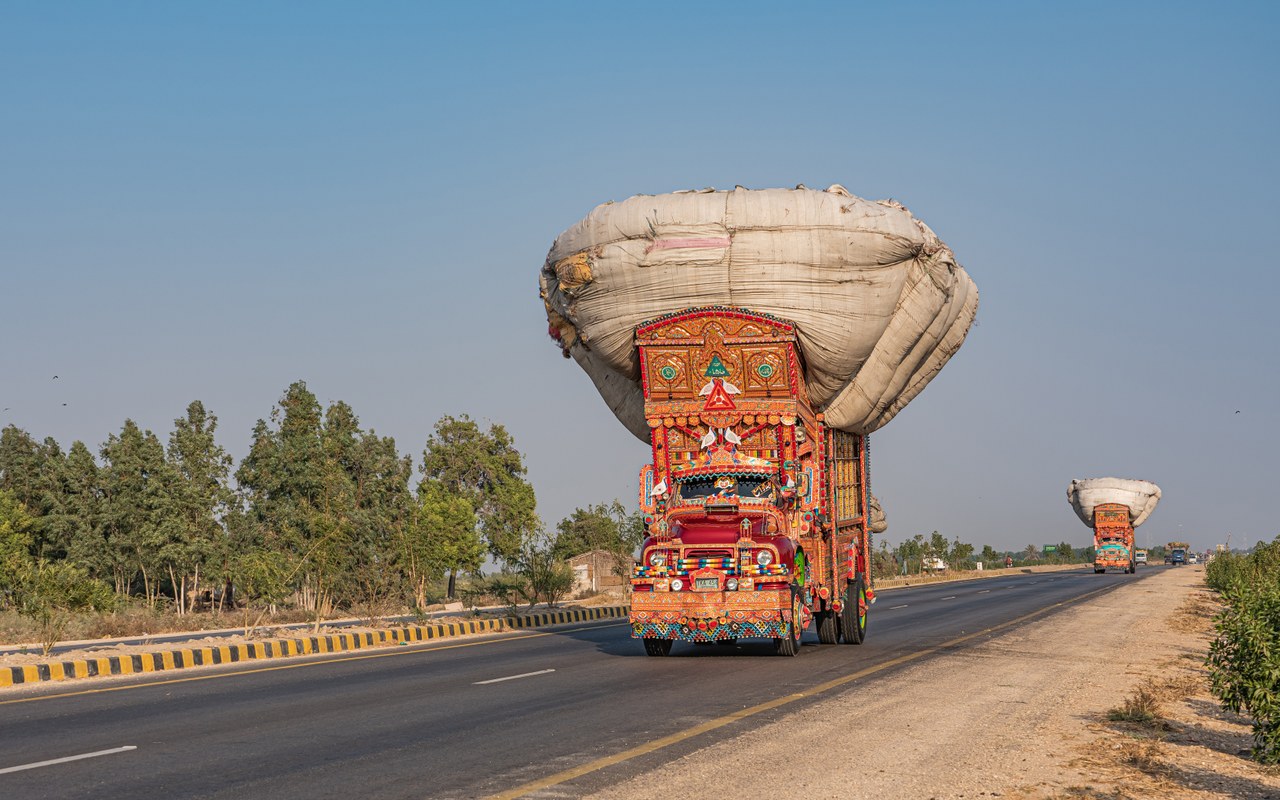
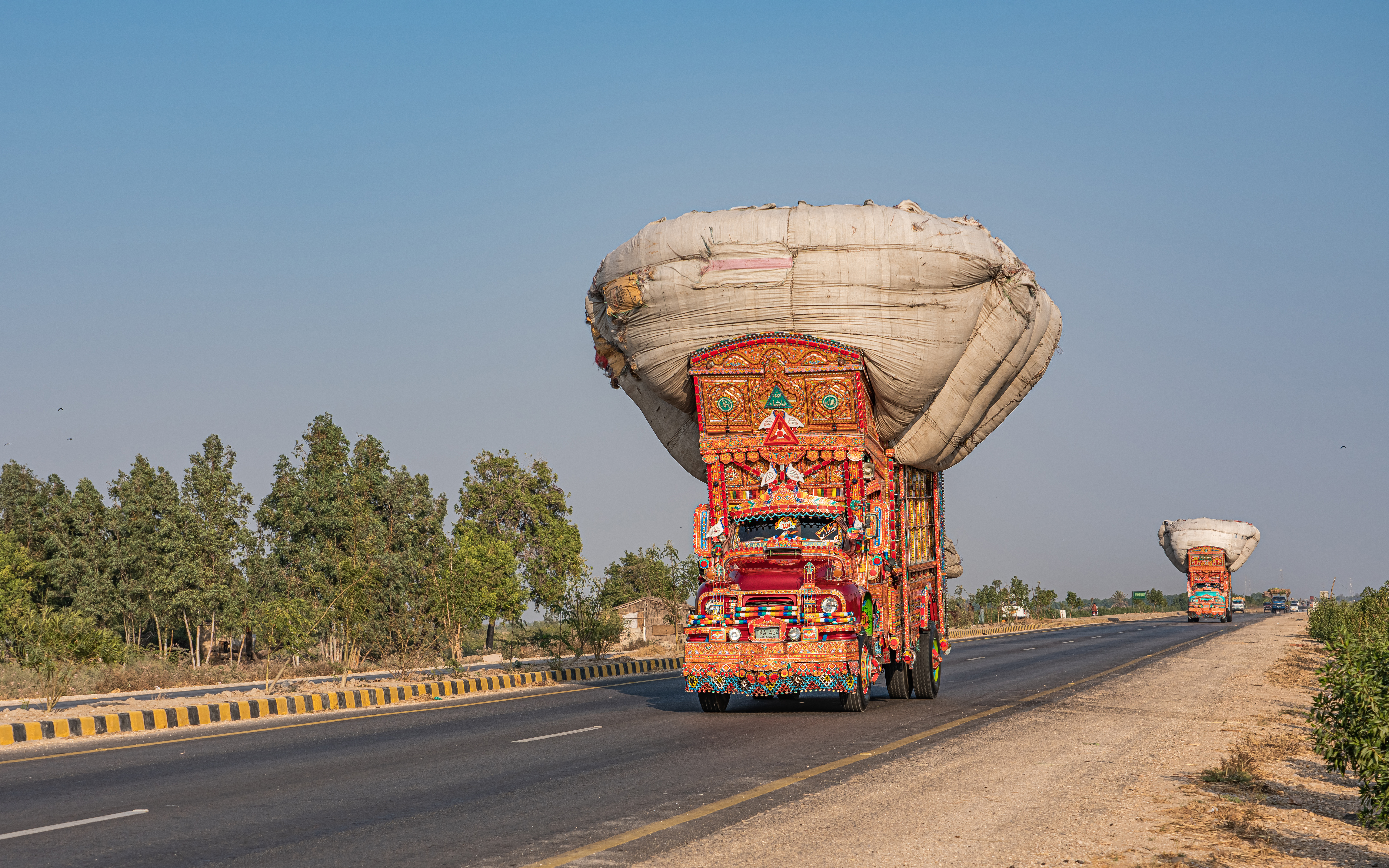
Goods transporters and oil tankers began an indefinite nationwide wheel-jam strike on Saturday, 8 August 2026, parking their vehicles across the country from Friday night after negotiations with the government failed to produce a breakthrough.
The All Pakistan Goods Transport Ittehad and the All Pakistan Goods Transport Owners Association said talks with Federal Minister for Communications Abdul Aleem Khan, along with other government officials, ended without agreement. Association president Mohammad Owais Chaudhry said the strike would continue until the transporters’ demands were accepted, adding that the minister had promised to take the demands up at a fresh round of talks on Monday morning.
A separate grouping, the Pakistan Goods Transporters Alliance, said more than 400,000 goods-carrying vehicles — from small carriers to large trailers, including edible-oil and petroleum tankers — had been taken off the road. Its leaders said the shutdown would continue at least until a meeting with the petroleum, transport and ports ministers on Monday, 10 August, and that containers had already been unloaded at the ports.
The demands
The transporters are pressing a set of tax, pricing and enforcement demands:
- Cut taxes on diesel and restore fuel prices to their 1 July 2024 level.
- Reduce the withholding tax on cargo transporters from 7 per cent to 2 per cent, the rate oil tanker operators already pay.
- Enforce the nationwide axle-load limit uniformly and allow 10-wheel vehicles to carry up to 35 tonnes.
- Withdraw customs provisions that let authorities confiscate a vehicle found carrying goods that violate customs law.
- Remove the Punjab Highway Patrol’s power to issue challans to commercial vehicles and end what the associations call unnecessary challans and excessive fines on motorways and highways.
- Simplify the procedure for obtaining heavy transport vehicle driving licences.
- End daily diesel price adjustments, so prices are revised fortnightly or monthly instead, and lower toll taxes.
The transporters object in particular to the daily revision of diesel prices, now published by the Oil and Gas Regulatory Authority using a seven-day average of international benchmarks, which they say makes operating costs impossible to plan around.
Why it matters
A prolonged freight shutdown threatens industrial and export supply chains in a country already contending with high energy costs. Industrialists warned that factories could be forced to halt production if raw-material supplies remained suspended, and exporters cautioned that late consignments could trigger penalties, price cuts or claims for damages.
The strike also follows earlier unrest over the same fuel-tax issues that have driven nationwide protests against the petroleum levy, adding pressure on the government to reach a settlement when talks resume on Monday.
Sources & reporting notes
This is a summary of published reporting, not independent reporting. Details are as carried by the cited sources, which were reviewed on 8 August 2026.
- Dawn — "Goods transporters launch wheel-jam strike"8 August 2026 · The failed talks, the parked vehicles and the transporters' demands.
- Emra News English — "Goods transporters begin indefinite strike over fuel prices, daily rate revisions"8 August 2026 · The demands on diesel taxes, withholding tax, tolls and daily fuel price revisions.
- ABC News Pakistan — "Goods, oil transporters' strike threatens industry, exports"9 August 2026 · The impact on industrial and export supply chains and the planned 10 August talks.